AGP Executive Report
Last update: 5 hours agoInsurance Access: Children’s Mercy says about 400 Kansas City-area children could lose in-network ACA coverage in 2027 after Medica exits the market; no other local marketplace plans have contracted with the hospital. BJC HealthCare and Saint Luke’s will also drop Aetna Medicare Advantage next year, affecting St. Louis-area seniors. Maternal Care: A northeast Missouri health center received $540,000 to keep its two-OB/GYN delivery service staffed, supporting a facility that handles more than 525 births a year. Kansas City group Altruism Inc. is also connecting families with doulas and community health workers as maternity services shrink. Behavioral Health: Missouri Medicaid patients with eating disorders have few treatment options: one local program says it is among the state’s only providers accepting Medicaid, with no Medicaid-covered residential or partial-hospitalization care available in Missouri. Care Workforce: Missouri State’s nursing program is expanding with a $377,000 state grant, aiming to enroll 472 students by spring 2027. Veterans’ Care: More than $27.7 million in federal funding will support safety and infrastructure upgrades at VA facilities in Kansas City and Columbia. Environmental Health: Funding cuts threaten decades of lake-quality monitoring across Missouri, while a report says PFAS was found at every tested Missouri waterway.
Note: AI summary from news headlines; neutral sources weighted more to help reduce bias in the result. Feedback is welcome. Please let us know if you have any comments or suggestions about the AGP Executive Report.

 Perspectify News




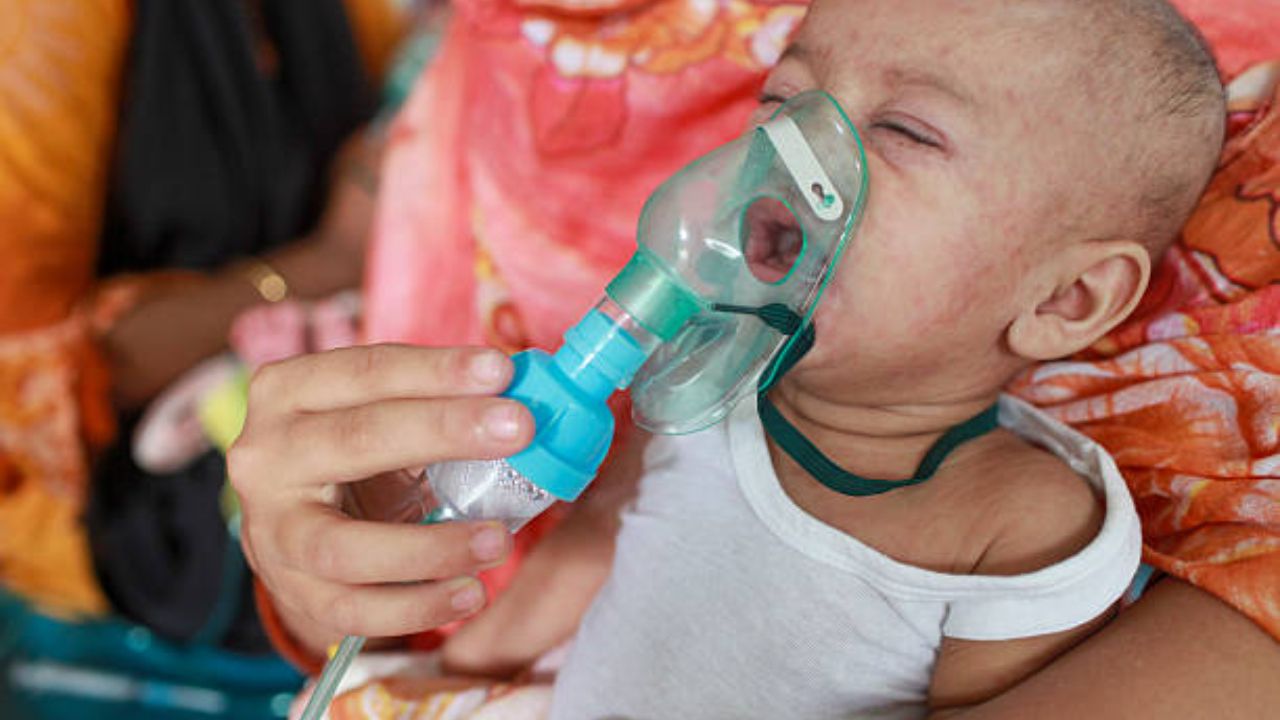
![<![CDATA[Rural Missouri health center that delivers more than 525 babies a year with two OB/GYNs lands $540,000 for obstetric staffing]]>](https://2c717466dc25cd7041c9-8eeda6a8ca964cf210ed223dbc947813.ssl.cf2.rackcdn.com/29674982-951621681-abecb75501569a246cd0520f838d9014a2e5eb4b-1200x801-200x134.jpeg)


 Pseudo-journalism: Pink-slime